Hermosa, Los Angeles

IMG_0207


Los Angeles is a vast, sprawling mess. Palm-tree lined streets clogged with traffic disappear into the hazy distance, and it’s impossible to make sense of where you actually are. Heading straight to Hollywood was a mistake. It was grimy, sleazy and strange, and completely overrun with tourists and people trying to sell things to tourists. After my stay in San Diego I had to return to LA to fly to Mexico and was unenthusiastic. But that was before I went to Hermosa Beach.

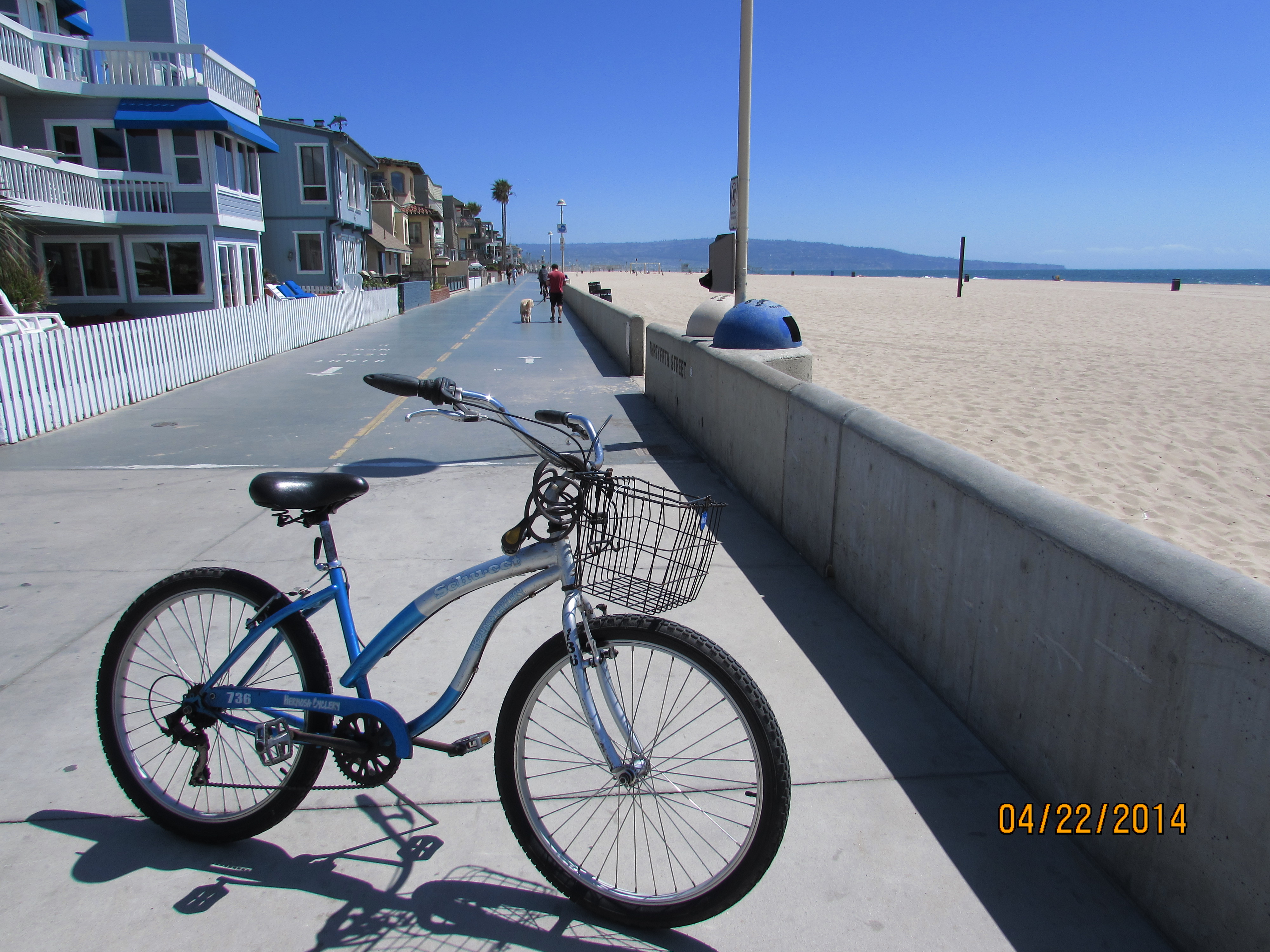
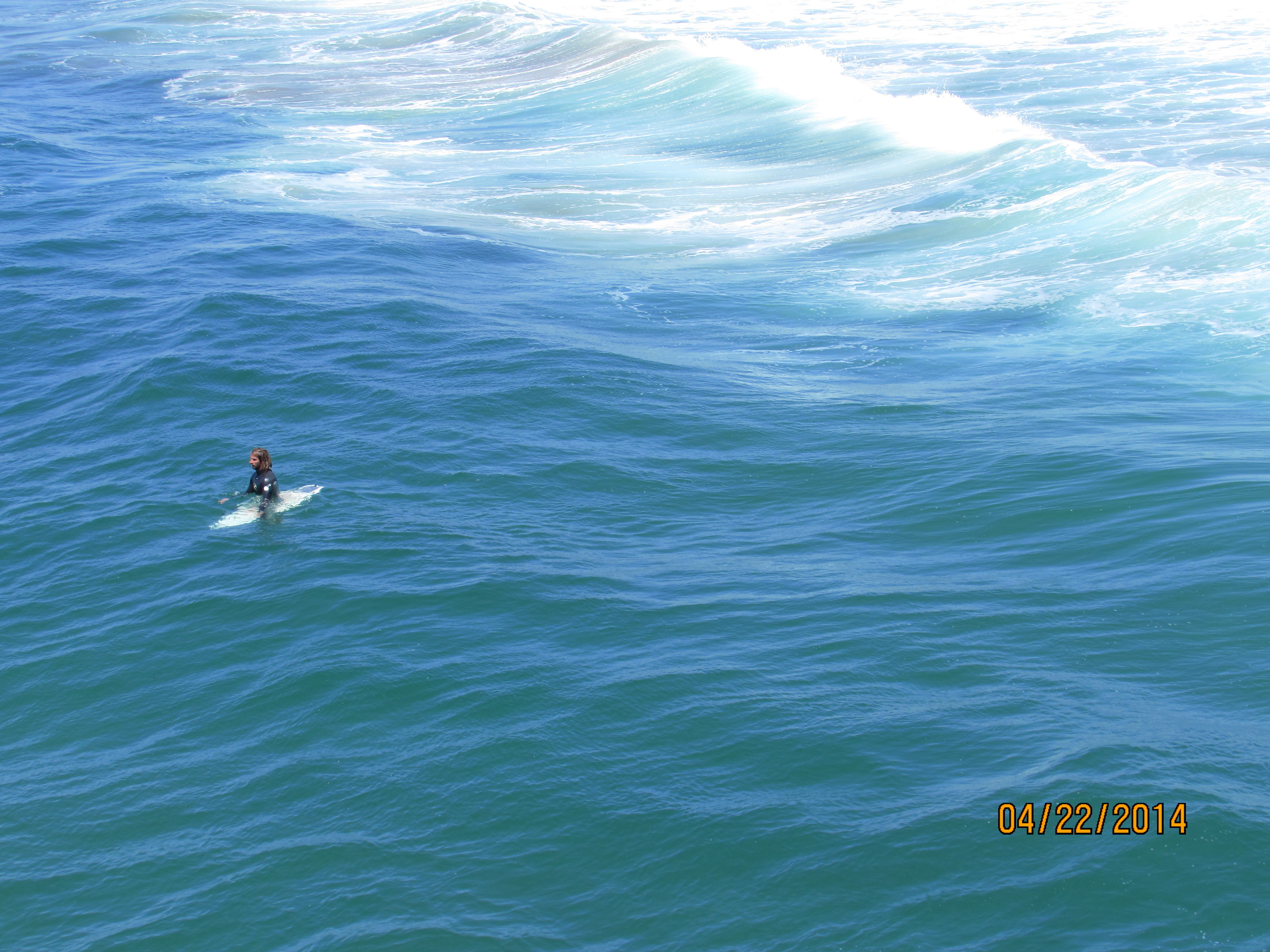
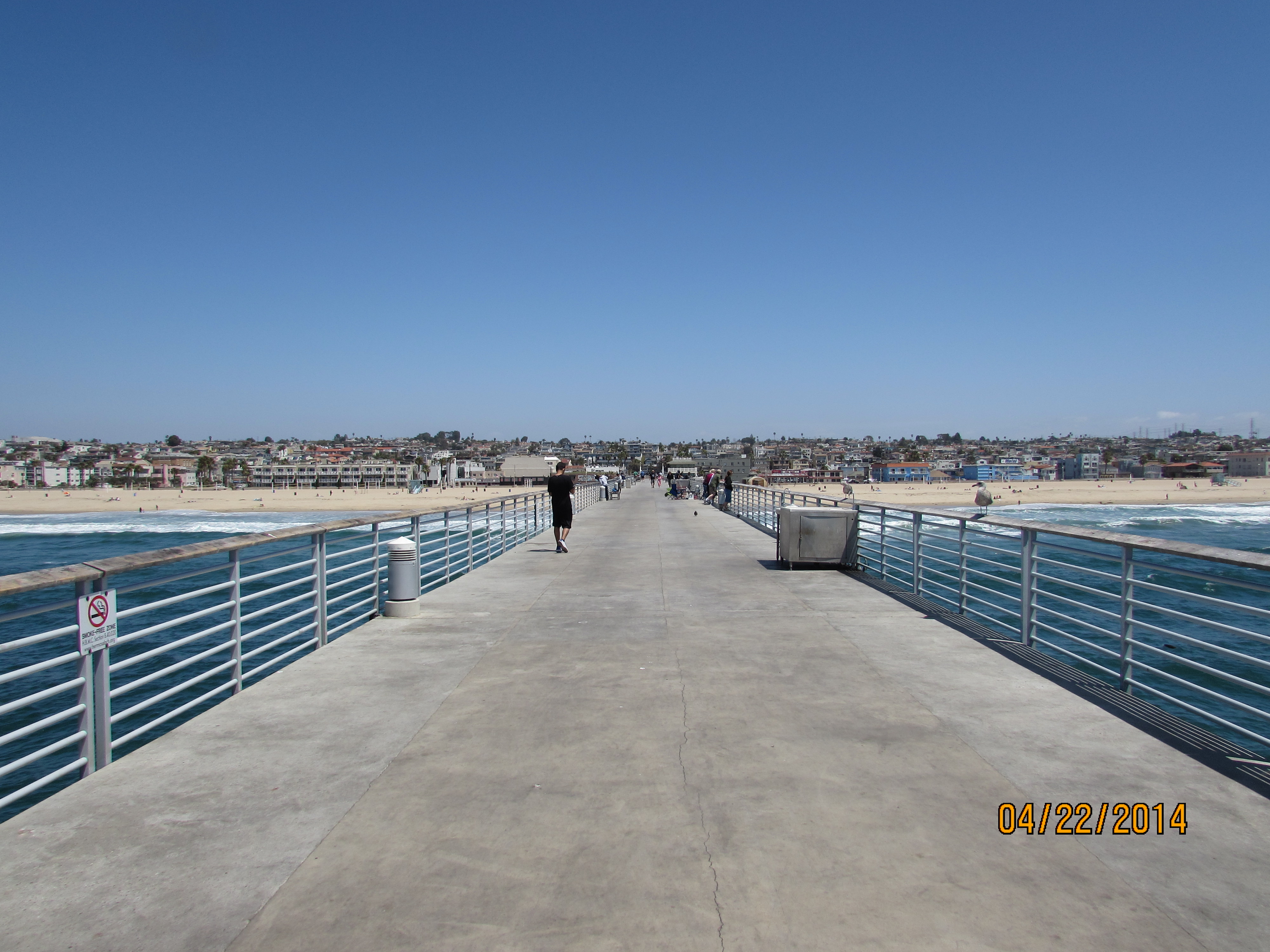
I walked out to the end of the pier. The air was clear from smog, the sun was out and the sea and sky were both an impossible blue. Families were fishing along the sides of the pier and some cheery people were walking around. A few scattered surfers braved what I imagined to be very chilly water. With a hired bike I rode along the beach all the way to Redondo, past housing that was a mix of kitsch and splendour. Fellow cyclists smiled and said hello as I went past.

Santa Monica had been buzzing, and the ride to Venice Beach a bit of a journey into the weird, but Hermosa was calm. How this could be part of the same city as messy, exhausting Hollywood, I couldn’t understand. I wanted to lie on the sand and drink up the sunshine all day. I began to understand why half the world wanted to be there. I never wanted to leave.

IMG_0201 IMG_0190 IMG_0199 IMG_0187 IMG_0185 IMG_0181 IMG_0179 IMG_0178

Classy San Diego

IMG_0003Before coming to San Diego the only things I knew about it, ridiculously, were from Anchorman. It’s actually a wonderful city will friendly locals who smile at you on the street, clean, wide streets and lots of sunshine.

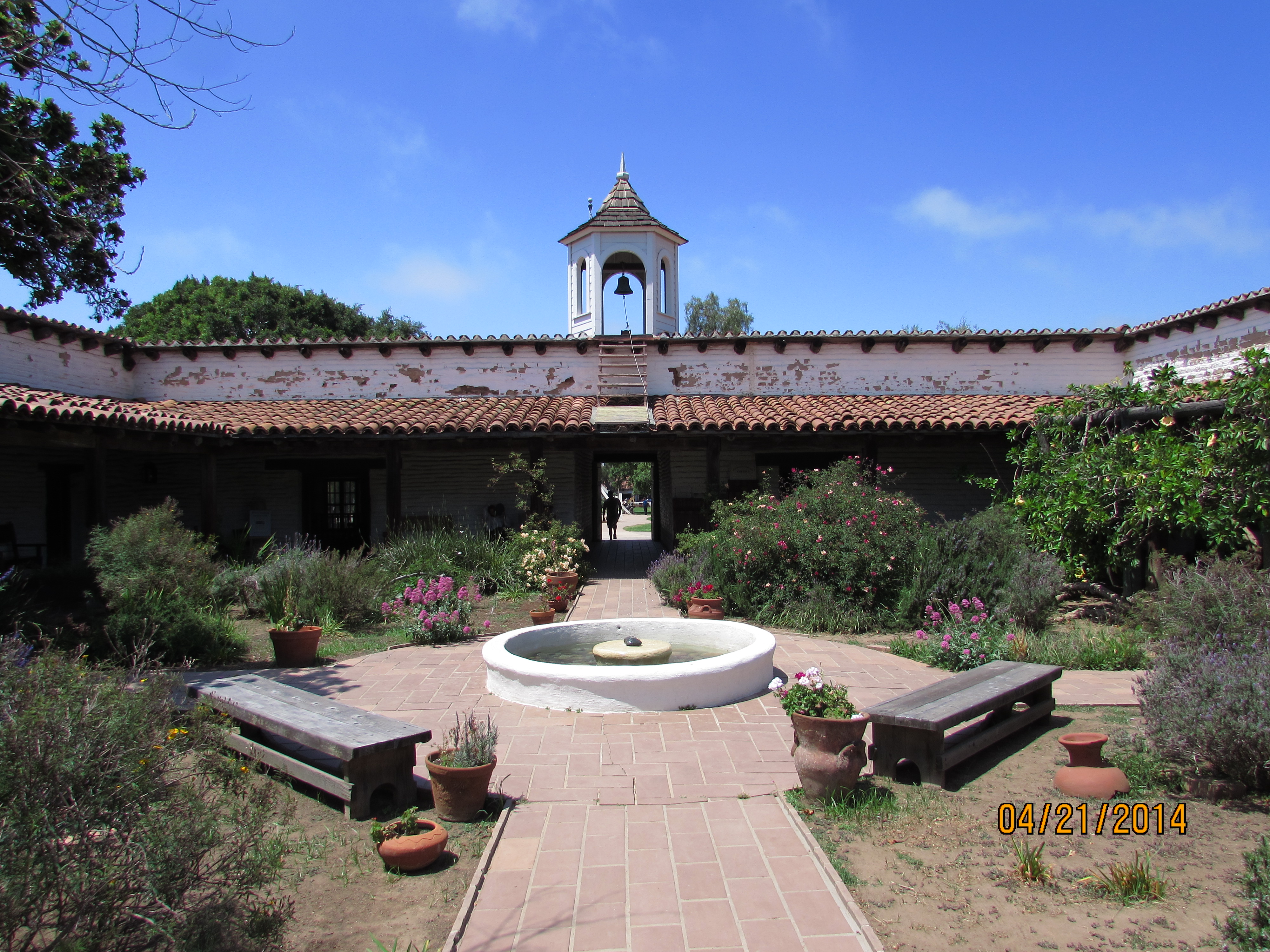
California actually “began” in San Diego. Tourists can visit the Old Town, which has a lot of original or restored buildings from the Spanish colonial years. The stories of people living and working in the fledgling state were amusing and at times, very sad. Plus the Old Town has a beautiful old hacienda with a garden that was especially lovely under the California sun. IMG_0158

San Diego is an important military city as well. There are numerous military bases, including the large Pacific Fleet navy base which most people know about, and, consequently, a lot of handsome military men.

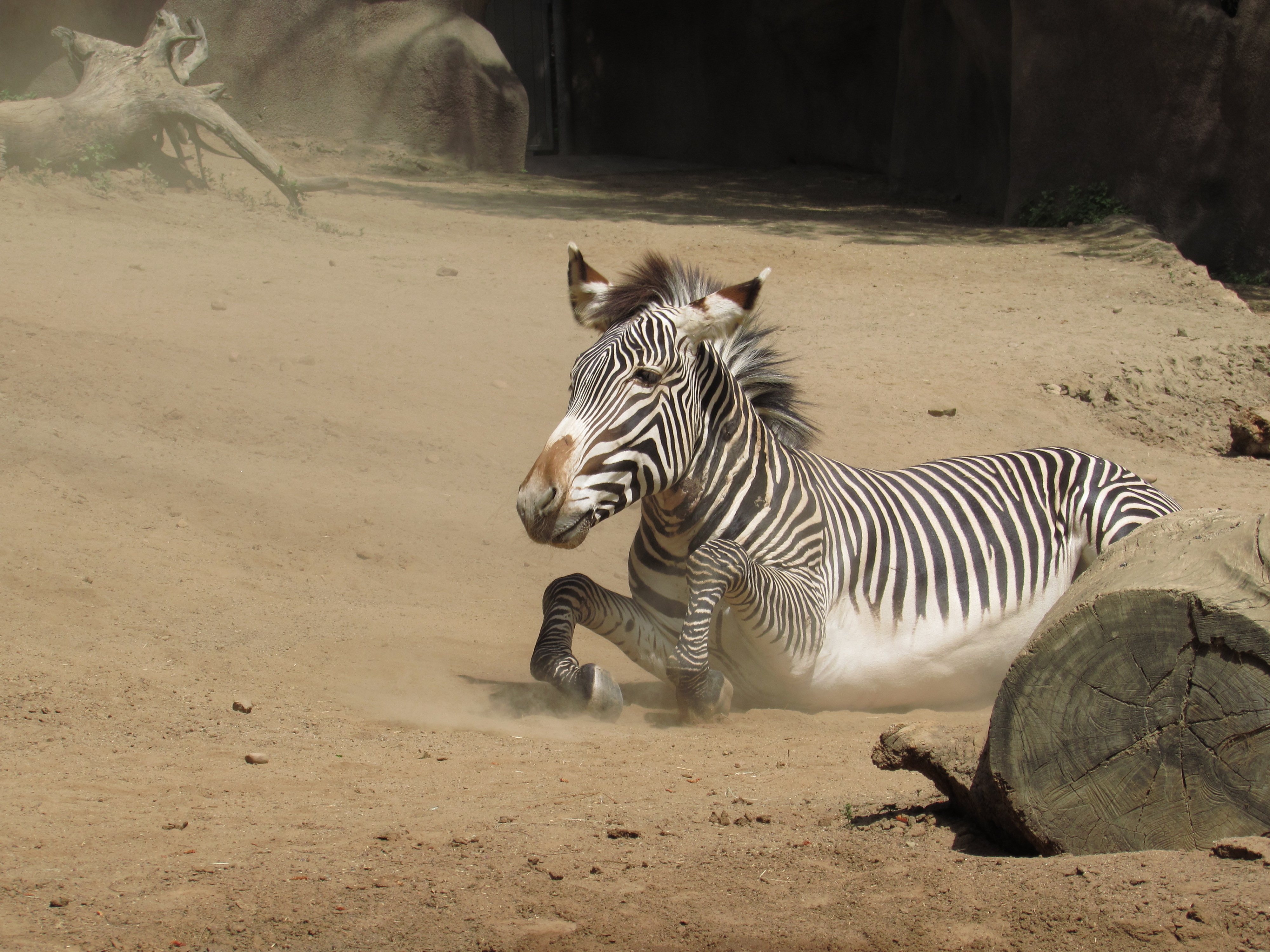
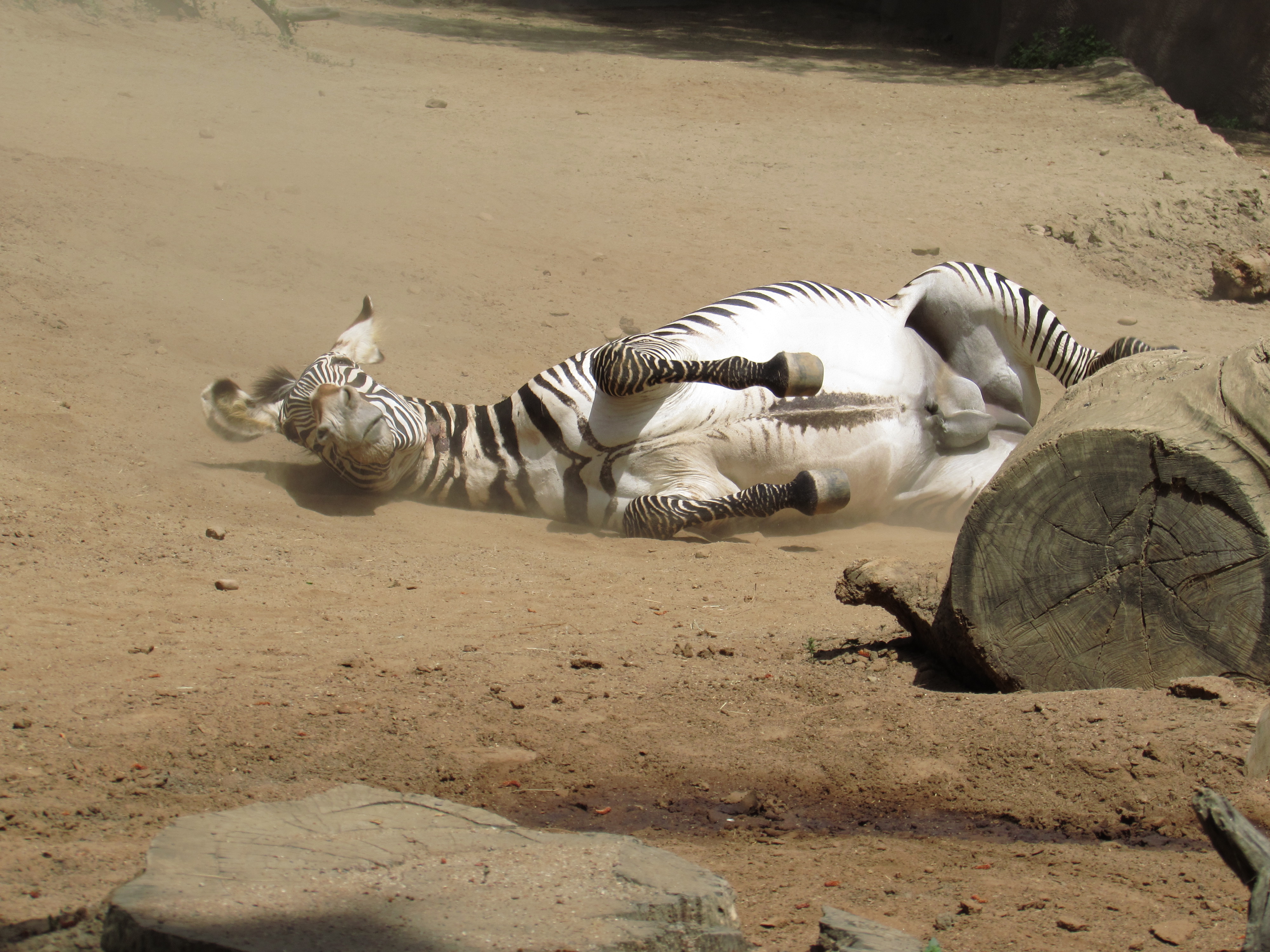
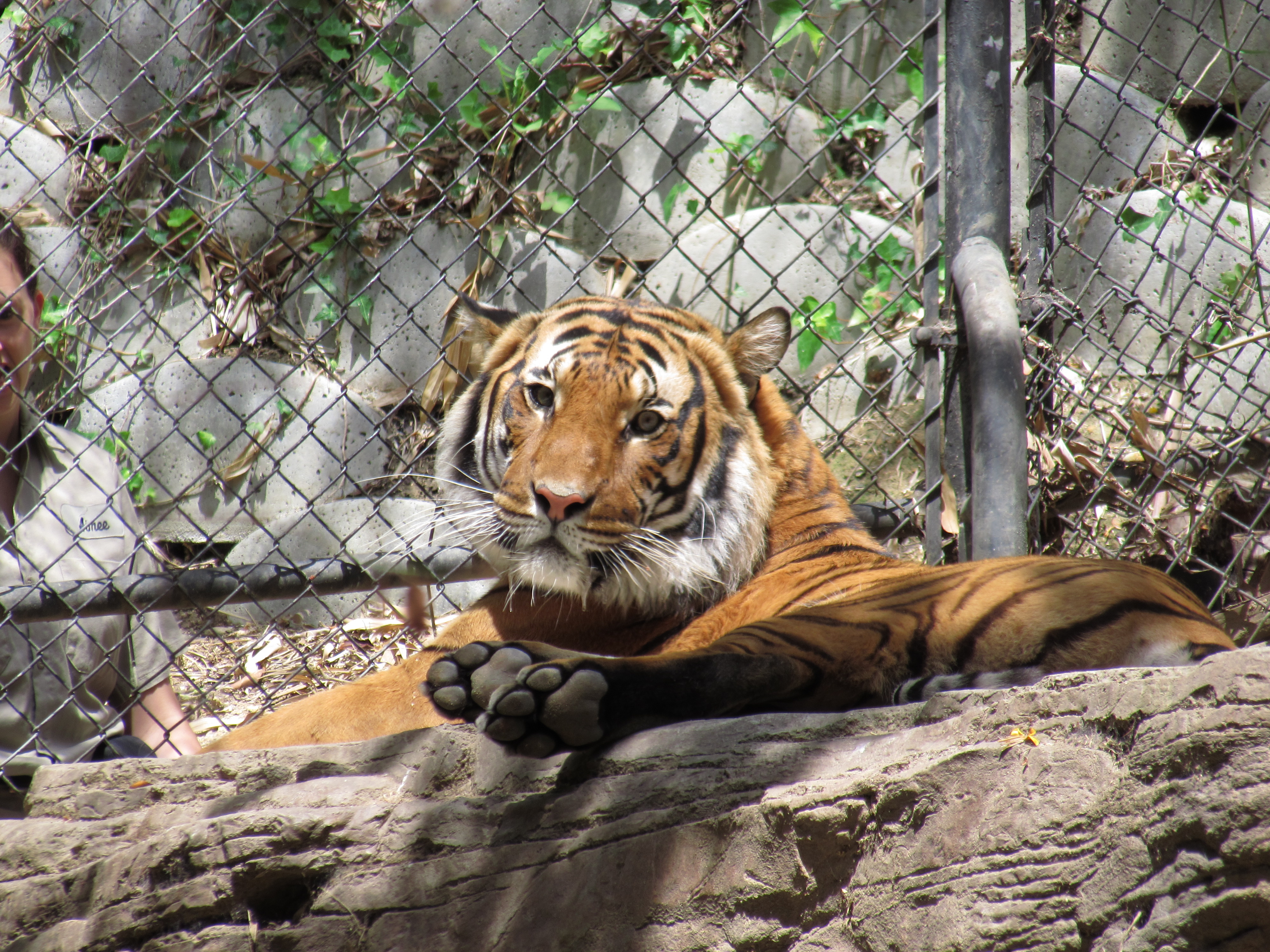
I trekked out to a gargantuan bunch of malls outside the city and bought a new camera, and then tested it out at the famous San Diego Zoo. The entry price is fairly steep ($48) but it provides a whole day’s worth of entertainment. One of my Lyft drivers (it’s a rideshare app that is big in California) told me that his main motivation for visiting the zoo would be not to see the animals, but to check out the people! He had a point. It was Easter Saturday, so Californians in their thousands were enjoying a day out at the zoo. I took some shots.

IMG_0109 IMG_0107 IMG_0098 IMG_0096 IMG_0095 IMG_0081 IMG_0061 IMG_0120 IMG_0115 IMG_0044


And the one I am most proud of, the Sad Tiger.

IMG_0042

Pre-adventure interview on ABC Radio

So, I’m off. I’ve actually left the country already but this is an interview I did with Sally Knight on ABC Overnights – me, as producer, the interviewee. It’s all about the trip I’ve been planning and how somebody can learn to drive on the “other side” of the road.

Election fever hits Angkor Wat

Sam Rainsy is holding the flag on the stairs.

I picked an extremely interesting time to visit Cambodia. The federal election is on this weekend and while most people believe that there will be no change in government, it’s really buzzing because the opposition now have a bit of extra firepower.

Nix (bestie) and I have been asking locals (mainly tuk tuk drivers) who they support and most say the Cambodian National Rescue Party (CNRP). The opposition represents change. Their leader, Sam Rainsy, was in self-imposed exile until last week and came home after he was given a royal pardon for charges that many believed were politically motivated. Most of the signs and rallies that we’ve seen were for the current party in government, the Cambodian People’s Party (CPP), so it was extra exciting to see the man himself on our day trip to the beautiful ruins at Angkor Wat. We had heard that Rainsy was in Siem Reap, and it makes sense for him to visit a site with such national significance.

The CPP have been in power for about 30 years and will probably win again. But it seems like they are genuinely nervous about this election. Sam Rainsy must scare them. They have gone all out in terms of campaign presence on the streets and we even heard that they are “threatening” to “take back” the things that they’ve “given” the country – infrastructure, schools, hospitals – if they lose. It’s a pretty heated situation. We are leaving Cambodia for Thailand on Friday but I’ll definitely be watching what happens.


The Necklace

521312_10151032992669595_1905579425_n

“A part of me will always belong to you.” (Street art at Mauerpark, Berlin)

By the time I had the necklace, it was too late to find out anything about it. I had never seen my grandmother wear it, but somehow I knew that she must have loved it. An oval pendant with a cut-out design of hieroglyphics, it would have reminded her of dusty bazaar from whence it came, in the days when far fewer people were as worldly as my grandmother was. So then it was my turn to love it, just like she’d loved me.

In the middle of an otherworldly European summer, I was forced to farewell the man I was convinced was my Prince Charming. He went home, and home was on the other side of Atlantic. It felt like being dumped by a cold, heavy wave. I went back to Berlin alone, feeling smaller than ever in the big grey city. “Come to Paris!” said my best friend, who was on a glamorous trip around the continent. I sensed it would be my only opportunity to be so miserable in such a luxurious setting. I went, and wandered around the streets, and the sticky heat and sunshine were surprisingly good medicine. On holiday in the shimmering alternate universe of Paris, I could pretend that I was riding some warm current, ultimate destination unknown, and just drift.

I got my first inkling that the necklace was missing when I arrived in my next destination, the brainy city of Basel. I hadn’t slept and had just shot across the countryside in a super fast train. Everything was new, and the necklace was not around my neck. It must have been squashed in my bag. But over the next few days, it did not reappear. By the time I left, it was making me distinctly uneasy to think about it. I was missing its shape in my hand, the feel of the cold chain on the back of my neck, and just knowing that we were travelling through unknown landscapes together.

But I was in denial. Surely my necklace wouldn’t just be gone. It was much too important an artifact, and it was mine to take care of. I didn’t lose important things the way other people seemed to, did I? Especially when the necklace was one of my last remaining mementos of my grandma Ethel, who had been everywhere, and been everything to us. I could only fantasise about the stories that those little silver-plated Egyptian figures would tell. Everywhere I went, I had had it hanging on my chest. It was my go-to item of glamour, because I always imagined my grandmother wearing it and reminding herself of exciting times. Having been twice left mysteriously at other people’s houses, it had always found its way back to me – but my luck had run out.

It had travelled halfway around the world with me, and now might be left in a Parisian hostel, or in a French train, or somewhere else entirely.

My Swiss hosts hadn’t seen it. In fact, I hadn’t seen it. With a lump in my throat, I lodged a lost property report with the railways, and never got a response. My necklace had left me. Without my necklace, and my prince, I didn’t feel like I had much left to hold onto. I was losing pieces of my life, one at a time.

The necklace and me in happier times. (pic: Kate O'Dwyer)

The necklace and me in happier times. (pic: Kate O’Dwyer)

I felt like even if the necklace turned up and showed itself and told me about all its adventures, I wouldn’t be worthy of putting it back on. My grandfather trusted me with my grandmother’s necklace, and I had let her down – my Big Ma, the woman with a million stories and a heart as big as the whole blue sky.

Switzerland in summer was a Technicolor wonder. And travelling alone had become my cause. But without my necklace I was more alone than ever.

The Black Lodge

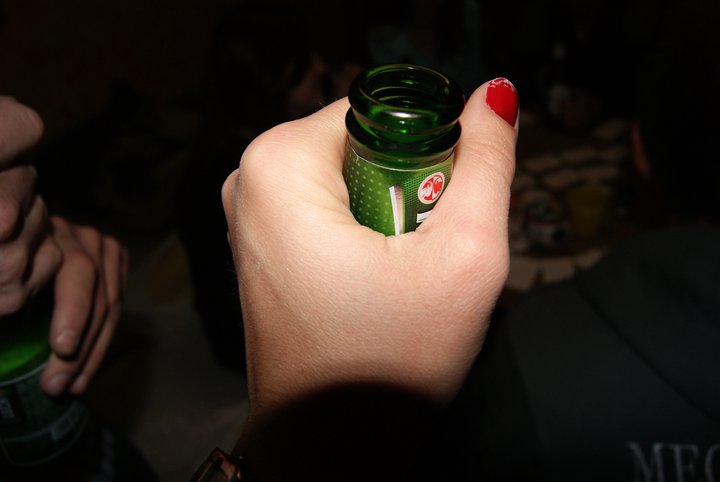
a possibly unrelated beer (photo by Dan Hough)

a possibly unrelated beer (photo by Dan Hough)

I had a few weeks left. At the end of these few weeks I would sit down in a plane and wave a teary goodbye to Berlin, the city of my imagination, the only place to truly be young and nocturnal and full of thoughts.

I woke up every day in a sharp melancholy, calculating how many more mornings I had of looking out on my snowy courtyard, holding a warm coffee mug. I spent the days looking at people on the street, feeling a bubbling jealousy – how is it that they were able to stay, when I had to leave? At night, usually for the whole night, I drank Weißbier with fellow foreigners as we all wondered when we’d see each other again once there were continents and oceans between us.

Some friends from Sydney were in town, and wanted to see some Berlin bars. I met them on a quiet, dark street behind Schönleinstraße. One of them had found out about this bar online – it was modelled on The Black Lodge. Like always around this time, I had a little lump in my throat that got bigger when I looked at anything at all.

We found the address of the bar. Silence, and nobody around. “Well, it said on the website that it’s meant to be open tonight,” said my friend. “It’s new.” She didn’t sound very disappointed. She was on holidays, and everything was equally exciting, I guessed. But I could count on my fingers the number of nights I had left to visit a bar like this. Soon I would be living my old life again, and it would be as if all of this never happened at all. So I was definitely disappointed.

I stepped up to the door of The Black Lodge and peered through the glass panel at the dark interior. It was definitely closed for business tonight, without explanation. A single light bulb was switched on somewhere inside, illuminating a narrow doorway and a few black and white tiles on the floor. It was authentic flooring from the TV show, and I imagined the dark red curtains that must have covered the walls in there, and the armchairs, and the people who would quote all the lines and talk about the chewing gum coming back into style and try to figure out how Twin Peaks could still give them nightmares. But I could only see that single patch of light.

It made me feel slightly, and strangely, afraid. There on that silent street, I suddenly felt the stillness of the night and the crispness of the cold air acutely. I imagined that just as I was looking into the frosty glass of the door, somebody was looking at me, from a window up above. It made me shiver.

“Do you think that this is a real bar?” I asked my friends. “I’m getting a weird feeling about it. Like, maybe it’s actually an art project.”

My two friends chuckled. “No, really!” I protested. Just then under the streetlights, it seemed true to me that somebody in Berlin would set up a bar’s façade sure to attract a certain type of young person, and then revel in that person’s disappointment while filming the whole episode with a fancy camera, all in the name of art. Stranger things had happened – were surely happening right now, a few streets over in Neukölln. And for a David Lynch-show-themed bar – it was too perfect.

Or maybe it was the cobblestones on the street, and the night in the city that was slowly eroding my logic. It was all too big and unfair. I couldn’t explain how it felt to know that I would soon be looking at the same night sky but on a different street, with different scents in the air, wearing sandals.

We gave up and walked into the night. Later, at home in Sydney, I heard that my friend had gone back to The Black Lodge and found people drinking inside. I couldn’t help but hate all of them.

Epilogue: I looked for The Black Lodge and found that there is nothing at its domain name. IT’S JUST TOO WEIRD. 

DEUTSCHE POST

oktob

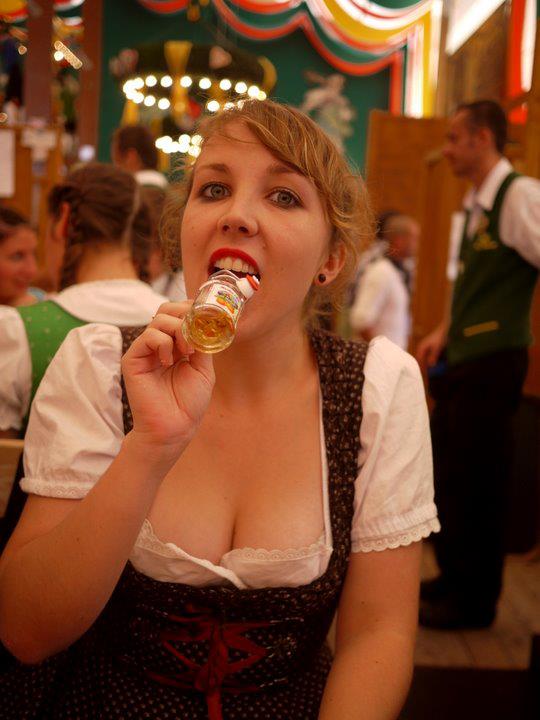
classy LR (photo by Kate O’Dwyer)

“We need costumes, of course we need them,” they all said. Dressing like a normal group of young women wouldn’t cut it – for Oktoberfest we needed to be squeezed into tight-bodiced Dirndls with bright gingham aprons and frilly white blouses that skimped on coverage around the bosoms. My lady friends turned out to be right about the necessity of dressing up, Bavarian-style, to match all the strapping young men in their Lederhosen – the theatre of Oktoberfest, which takes over so much of Munich for a buzzing, otherworldly few days, is as intoxicating as the litres-upon-litres of beer.

My Dirndl was on the traditional side (dark brown, skirt down to my knees) but I still managed to burst out of the top of it.

Still, I think that the original one I had ordered from a confusing German online store would have been more eye-popping. I’ll never know – upon my return to my little apartment in south-east Berlin I had a knock at the door and was delivered the unforunate dress, wrapped up neatly but many days too late. It wasn’t the store’s fault, apparently – the website displayed a warning that at peak times, Dirndl deliveries might be delayed, and this was the most important time of year for lovers of German paraphernalia. Not to worry – the store offered full refunds, 48 Euros that could be put to good use by this particular foreign student. All that was necessary was to return the Dirndl by post.

Torstraße was far from my home, but a place I used to visit a lot – a wide street split by tram lines, and full of small rooms that would come alive at night, packed with interesting people drinking interesting things that they didn’t pay much for, all with the special spark in their eyes because they were in Berlin, the greatest city on Earth, with the extra good fortune to be young at this most excellent time in history. I think on this day I must have been drinking mint tea at St Oberholz, a café where a certain type of young person (with black-rimmed glasses) came to set up their laptop and procrastinate with their magnum opus. I took a detour to a yellow Deutsche Post, my unwanted Dirndl wrapped up in the bag that it was delivered in, with a makeshift label stuck on one side.

20130208_193304

this package did it right

Time ticked on infuriatingly while I stood in the line. There were many things about the German postal system that I did not understand. Every post office was also a bank, for example, and parcel notices were sent out in advance, so it was actually possible to arrive too early for your packages. But at least they were open on Saturdays. I was finally called up by a grey-haired matronly Frau at the far end. She took one look at my bundle and said “Das geht nicht. It doesn’t work like that. “Oh, so how does it work?” I asked. Apparently I needed an official box to send things in. “Danke,” I said and smiled. The woman did not smile.

I found a stack of bright yellow boxes that evidently needed to be assembled. I picked up one which in its squashed state was very long and wide. It appeared to come with drawn instructions but these were worse than useless. There I was, wrestling with a huge flat yellow piece of cardboard almost as big as myself, my face growing redder by the second. I looked around. Nobody was surprised to see this happening – nobody was even looking. It didn’t alleviate my embarrassment. I hid into the most secluded corner I could find and eventually managed to force it into a useful shape, get my squashed-up package inside and stick my label on the top. I lined up again.

I waited for another short eternity. I looked out the windows at the grey, windy street and thought of all the grey, windy streets beyond it, stretching across the sprawling city and into the grey, windy countryside, and eventually to the cold sea. There wasn’t much warmth left in the air and every day brought us all closer to a winter that I was getting afraid of.

I was called up again, to the same woman. She frowned anew but there was a little smirk somewhere on her face. At my expense, of course. My package still wasn’t acceptable – home-made labels were nicht erlaubt. There was some official form among all the other official forms in the place that I needed to fill out. I felt a bit forlorn, with my package still in hand. My eyes suddenly stung. Why was it all so hard? Is this what delayed culture shock felt like? How ridiculous that I needed to bring a friend to the damned post office for moral support! That dreaded thought was showing its face: “This wouldn’t have happened back home!”

I had now spent more than half an hour at the post office, and it had gotten me nowhere. Some kind of resentment at the pointlessness of leaving home that day was surfacing, but I frowned hard to keep that feeling down. In the same way that I always tried to reassure myself that (almost) nobody ever died from the cold in Berlin (surely a lie), I told myself that plenty of ordinary Germans use the post office every day, and none of them have gone insane.

With the correct label finally stuck on the box, I approached my new nemesis again. I kept my eyes on her and tried to look like a person with serious intentions, not some clueless traveller who at this moment, was afflicted by acute homesickness and a malaise brought on by seeing too many stern faces in one room (especially when any resident of Berlin should have been used to the latter by now). She had another question. Where were the pieces of sticky tape that came with the box? I drew a breath, but didn’t know what to say. Fortunately, she could see that I might cry, and relented. Her smirk returned: “Ok, we’d better get your package on its way, hadn’t we?”

I imagined the post office woman sniggering to her colleagues over black coffee and stupidly sweet cakes later that day. I did my best to slam the post office door behind me, zipped my jacket up to my chin and marched down Torstraße for my mint tea.

Athens, October 2011

Some old travel writing from my most recent year abroad.

greece photo blog


The Circus

It should have been a sign.

I sat in the minibus speeding along the shore of the glittering Bosphorous, tears in my eyes for leaving Istanbul, this pulsing city, the glow and shimmer of which I had never seen before. On arrival to the airport, I found that my flight to Athens had been delayed by 45 minutes. Actually 90 minutes. Actually two and a half hours. In the plane my fellow passengers and I sat, staring blankly ahead at the seats in front, not speaking, not smiling, not eating, because there was no cabin service.

It was the strikes. The air traffic controllers in Athens were reducing airspace. Throughout the week, almost everybody else would strike, too. Even the public broadcasters and garbage collectors. Even doctors. I had been under no illusion as to what I might find in Athens, this mythical centre of the Ancient World, now the epicentre of crisis in the modern one. I had heard of the riots and the tear gas. What I hadn’t heard about was the “circus”. This comical translation from Greek of the concept of chaos, of something being crazy or going wrong, but in a good way, was fairly relevant to the whole trip.

I was welcomed by a group of international friends who had all, for some reason or another, chosen Athens as a reunion spot. First stop was for souvlaki. It’s never a bad time for souvlaki, and every Athenian has their favourite. It’s also never a bad time for a frappe, a grilled corn cob from a street stand, or some salad swimming in olive oil. Or a drink, in one of the hundreds of intriguing bars, all decorated lovingly like movie sets, and not closing until 4am.

But it is, perhaps, a bad time right now to be in Athens. I first stayed in a hostel, where the strikes scheduled for that day were written on the whiteboard in the morning. Upon check-in I received a phrase brochure, including the translations of “you’re cute” and “are there riots?” I moved to the apartment of a friend, which was convenient timing, considering that the next day was the day when both the public transport and the taxis were on strike.

The sprawling concrete of the suburbs and the sunshine on the cobblestones in the centre might always look the same. But the exasperation of Athens belongs to the here and now. My hostess told me that her parents had advised her to get out of the country again, not to give up on Greece but just to give herself a chance of success for the next few years.  We walked through the city, past policemen on ever corner, and she expressed unease at being around them. I wondered aloud how painful it might be to be hit by the tear gas. “It hurts,” she said. “I know.”

I took a ferry to Hydra, an island close to the city but far enough away to clear one’s head. Here, donkeys are the only transport and I felt that maybe nothing had changed in the last hundred years. I jumped into the salty, luminescent Aegean and bobbed around for a while, wondering what was to become of Greece.

On the summit of the Acropolis, it was hard not to feel the sadness of it all again. But hopefully the stone columns will outlive these troubles, too. In any case, even in these times it isn’t hard in Athens to come by a big smile, a good story and something delicious to eat. It is always worth seeing something for oneself.